AI in Healthcare: Transforming Medicine with Artificial Intelligence
How AI is transforming healthcare in 2026. AI diagnostics, drug discovery, and patient care. Real examples of artificial intelligence in medicine today.
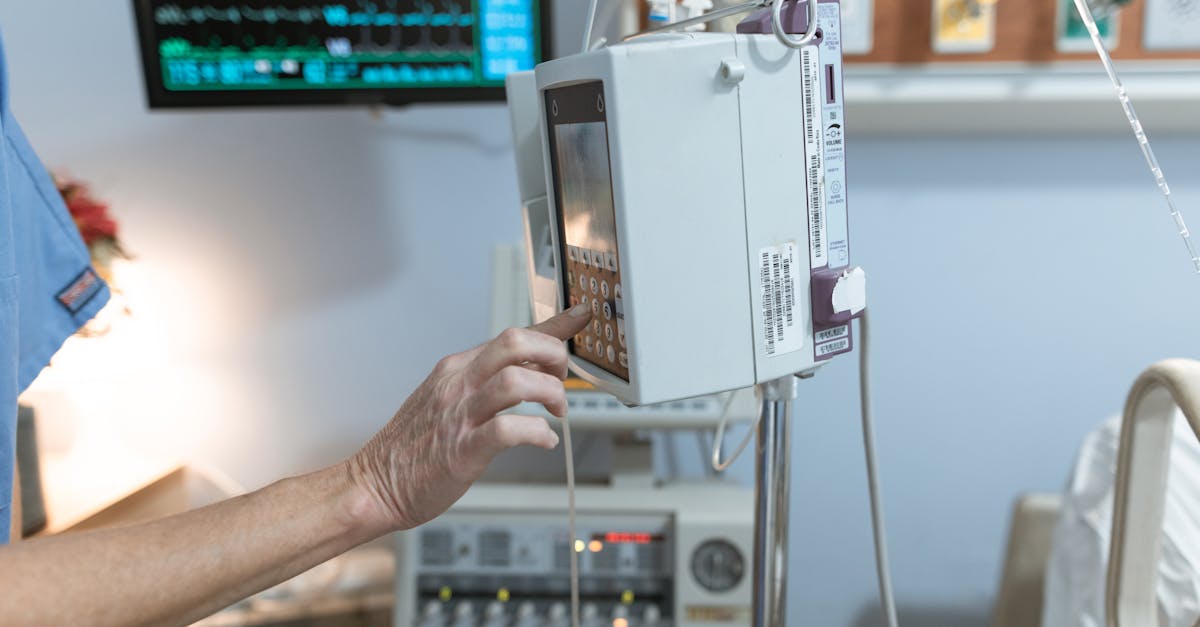
Artificial intelligence is transforming healthcare at an unprecedented pace. From detecting diseases earlier to accelerating drug discovery, AI is helping healthcare providers deliver better outcomes for patients.
The State of AI in Healthcare
The healthcare AI market is growing rapidly as hospitals, pharmaceutical companies, and health technology startups invest in AI solutions.
Key drivers include:
- Increasing healthcare data volumes
- Need for cost reduction
- Shortage of healthcare workers
- Demand for personalized medicine
- Advances in AI capabilities
Medical Imaging and Diagnostics
Medical imaging is one of the most successful applications of AI in healthcare.
Radiology
AI systems analyze X-rays, CT scans, and MRIs to detect abnormalities.
Applications:
- Lung nodule detection in chest X-rays
- Brain hemorrhage identification in CT scans
- Bone fracture detection
- Tumor identification and measurement
Benefits:
- Faster image analysis
- Consistent accuracy without fatigue
- Prioritization of urgent cases
- Second opinion for radiologists
Pathology
AI analyzes tissue samples and blood tests.
Uses:
- Cancer cell detection in biopsies
- Blood cell counting and classification
- Infectious disease identification
- Genetic analysis
Ophthalmology
AI screens for eye diseases.
Examples:
- Diabetic retinopathy detection
- Age-related macular degeneration screening
- Glaucoma risk assessment
- Cataracts evaluation
Google's DeepMind developed an AI system that can detect over 50 eye diseases from retinal scans with expert-level accuracy.
Dermatology
AI analyzes skin images for conditions.
Applications:
- Skin cancer screening
- Psoriasis assessment
- Eczema classification
- Wound healing monitoring
Drug Discovery and Development
AI is accelerating the traditionally slow and expensive drug development process.
Target Identification
AI analyzes biological data to identify potential drug targets.
Approach:
- Mining scientific literature
- Analyzing genomic data
- Modeling protein structures
- Identifying disease pathways
Molecule Design
AI generates and evaluates potential drug molecules.
Capabilities:
- Predicting molecular properties
- Generating novel compounds
- Optimizing for effectiveness
- Minimizing side effects
Clinical Trials
AI improves clinical trial design and execution.
Applications:
- Patient recruitment and matching
- Protocol optimization
- Adverse event prediction
- Real-time monitoring
Success Stories
AlphaFold by DeepMind solved the protein folding problem, predicting protein structures with remarkable accuracy. This breakthrough is accelerating drug discovery worldwide.
Personalized Medicine
AI enables treatment tailored to individual patients.
Genomic Analysis
AI interprets genetic data to guide treatment.
Uses:
- Cancer treatment selection based on tumor genetics
- Pharmacogenomics for drug response prediction
- Hereditary disease risk assessment
- Rare disease diagnosis
Treatment Recommendations
AI systems suggest optimal treatments based on patient data.
Factors Considered:
- Medical history
- Genetic profile
- Current medications
- Similar patient outcomes
Precision Oncology
AI helps oncologists select targeted cancer therapies.
Approach:
- Tumor genomic profiling
- Treatment response prediction
- Clinical trial matching
- Outcome forecasting
Clinical Decision Support
AI assists healthcare providers in making better decisions.
Diagnosis Assistance
AI systems suggest possible diagnoses based on symptoms and test results.
Features:
- Differential diagnosis generation
- Rare disease identification
- Evidence-based recommendations
- Alert for critical conditions
Treatment Planning
AI helps design treatment strategies.
Applications:
- Radiation therapy planning
- Surgery planning with 3D modeling
- Rehabilitation protocols
- Chronic disease management
Risk Prediction
AI predicts patient risks to enable early intervention.
Examples:
- Hospital readmission risk
- Sepsis early warning
- Cardiac event prediction
- Fall risk assessment
Administrative and Operational AI
AI improves healthcare operations and reduces administrative burden.
Documentation
AI automates clinical documentation.
Tools:
- Voice-to-text for clinical notes
- Automated coding for billing
- Report generation
- Summary creation
Scheduling and Resource Management
AI optimizes healthcare operations.
Applications:
- Patient scheduling optimization
- Staff allocation
- Operating room scheduling
- Equipment maintenance prediction
Revenue Cycle Management
AI improves financial operations.
Uses:
- Claims processing automation
- Denial prediction and prevention
- Payment optimization
- Fraud detection
Patient Care and Engagement
AI improves the patient experience.
Virtual Health Assistants
AI-powered chatbots provide patient support.
Functions:
- Symptom checking
- Appointment scheduling
- Medication reminders
- Health information
Remote Patient Monitoring
AI analyzes data from wearables and home devices.
Monitoring:
- Vital signs tracking
- Activity levels
- Sleep patterns
- Medication adherence
Mental Health Support
AI provides mental health assistance.
Applications:
- Mood tracking apps
- Therapy chatbots
- Crisis detection
- Treatment progress monitoring
Challenges and Considerations
Data Quality and Access
AI needs large, high-quality datasets that are often:
- Fragmented across systems
- Inconsistent in format
- Incomplete or biased
- Subject to privacy restrictions
Regulatory Compliance
Medical AI must meet strict regulatory standards:
- FDA approval for medical devices
- HIPAA compliance for patient data
- International regulations (CE marking, etc.)
- Ongoing monitoring requirements
Integration with Workflows
AI must fit into existing clinical workflows:
- Electronic health record integration
- Alert fatigue management
- User training needs
- Change management
Trust and Adoption
Healthcare providers must trust AI recommendations:
- Explainability of AI decisions
- Validation studies
- Clinical champions
- Gradual implementation
Liability Questions
When AI is involved in care, liability issues arise:
- Who is responsible for AI errors?
- How are adverse events handled?
- What documentation is required?
- Insurance considerations
The Future of Healthcare AI
Emerging Trends
Multimodal AI Combining imaging, text, genomics, and other data types for comprehensive analysis.
Federated Learning Training AI across institutions without sharing sensitive patient data.
Digital Twins Creating virtual models of patients for treatment simulation.
Ambient Clinical Intelligence AI that listens to patient encounters and automatically documents care.
Predicted Developments
- AI-assisted surgery becoming mainstream
- Home-based AI diagnostics
- Preventive health recommendations
- Global health monitoring
Getting Started with Healthcare AI
For Healthcare Organizations
- Identify high-value use cases
- Assess data readiness
- Evaluate regulatory requirements
- Plan for integration
- Train staff
- Measure outcomes
For Healthcare Professionals
- Learn AI fundamentals
- Understand AI capabilities and limitations
- Participate in AI implementation
- Provide feedback on AI tools
- Stay current on developments
For Patients
- Ask about AI use in your care
- Understand how AI affects decisions
- Provide feedback on AI interactions
- Advocate for transparency
Conclusion
AI is not replacing healthcare providers but empowering them with powerful tools for better patient care. From earlier disease detection to personalized treatments, AI is helping deliver on the promise of better health outcomes.
As AI technology continues to advance and integrate into healthcare systems, the potential for improved patient care is enormous.
Frequently Asked Questions
Will AI replace doctors?
AI will not replace doctors but will augment their capabilities. AI excels at pattern recognition and data analysis, while doctors provide empathy, complex decision-making, and holistic patient care. The future involves AI and doctors working together.
Is AI in healthcare safe?
Medical AI undergoes rigorous testing and regulatory approval before clinical use. While no technology is perfect, AI systems are designed with safety measures and human oversight. The FDA and other bodies regulate AI medical devices to ensure safety and effectiveness.